
The Berlin Olympics as a Propaganda Production
The Boys in the BoatThis thread traces the Nazi regime's use of the Olympics to stage an image of a peaceful, modern Germany while persecution continues.
increasing Bearing strength in each event
 decreasing
Bearing strength in each eventdecreasingA Stadium Reimagined
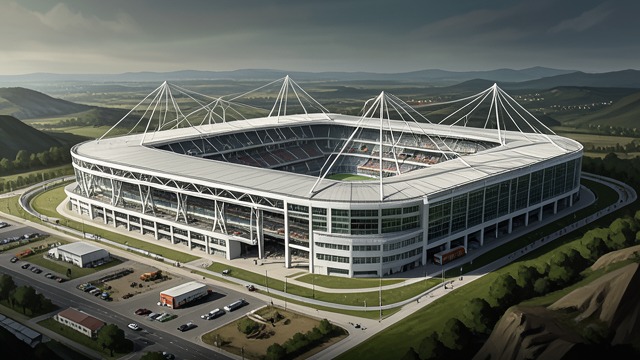
A New Olympic Setting
Expansion
Adolf Hitler visits the site of the old stadium and demands a much larger venue and a broad sports complex. Werner March must produce preliminary plans on an urgent schedule.
Political Purpose
The scale of the project expresses power and national ambition. The planned games offer an opportunity to show foreign audiences a carefully designed Germany.
The Propaganda Machinery
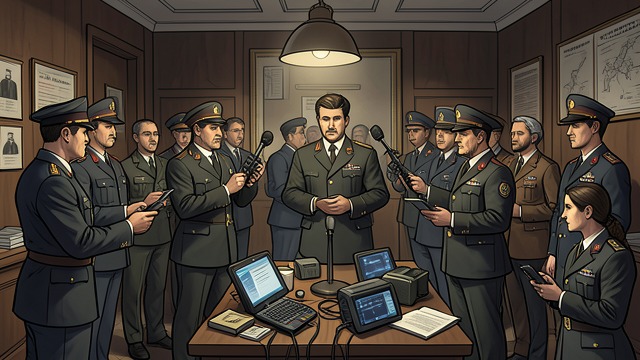
Managing the Image
Organization
Joseph Goebbels establishes committees to control press, radio, film, transportation, and public presentation. Olympic preparations become one part of a broader propaganda system.
Cinematic Vision
Leni Riefenstahl’s film work develops a visual language that joins youthful beauty and spectacle to Nazi power. Art and politics are deliberately made to appear inseparable.
The Rally Becomes a Film
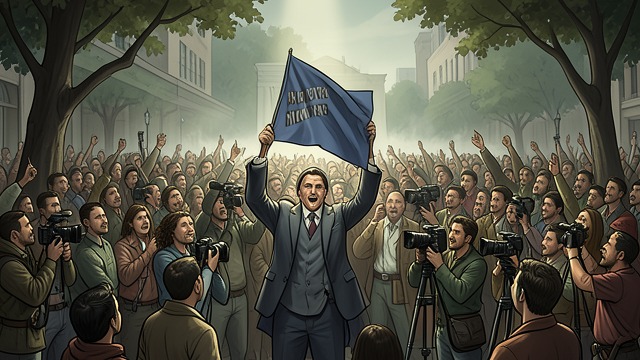
Triumph of the Will
Production
Leni Riefenstahl films the 1934 Nuremberg Rally with extensive camera crews and carefully planned positions. The production turns the gathering into a monumental image of unity and authority.
Reach
The film carries the rally’s spectacle well beyond those who attended. Its imagery helps establish the visual language through which foreign audiences encounter Nazi power.
Berlin's Temporary Transformation
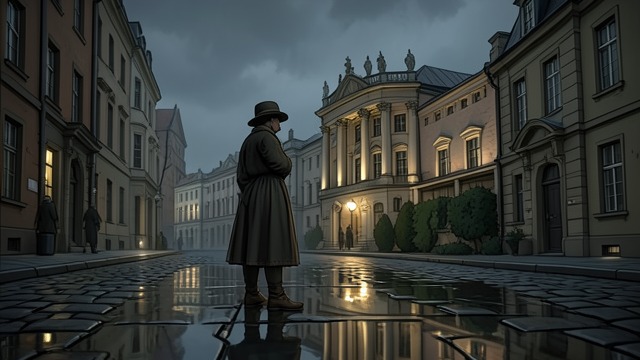
A City Prepared for Visitors
Concealment
Antisemitic signs disappear from public view, homeless people and Roma are removed from central streets, and the city is cleaned and decorated. Foreign reporters receive accommodations and access designed to encourage favorable impressions.
Performance
Berlin is presented as orderly, welcoming, and cosmopolitan. The hospitality does not end persecution; it hides it from the visitors whose judgments matter internationally.
The Ceremony's Grand Image
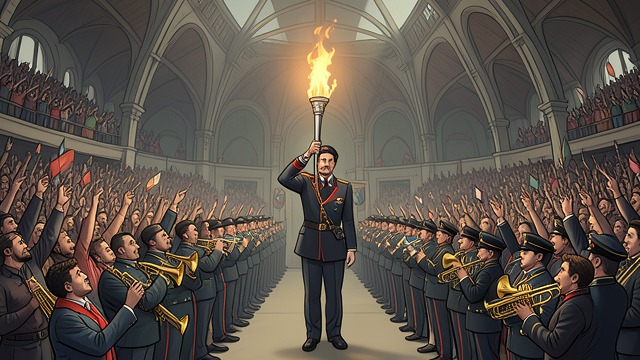
Pageantry at the Stadium
Staging
The opening ceremony combines marching athletes, orchestral music, flags, crowds, and the Olympic flame. Leni Riefenstahl’s cameras are positioned to capture powerful images of leaders and mass participation.
Effect
Visitors are moved by the spectacle, which gives the new German state a feeling of grandeur and legitimacy. The ceremony succeeds as an emotional experience even as it conceals what the regime is doing beyond the stadium.
October 1933
1933–1934
September 1934
Summer 1936
August 1, 1936
